


SunRise combines 15 ingredients in one morning sachet: NMN, plant cell culture technologies, lutein and zeaxanthin, spermidine, marine ingredients, berries, greens, and botanical extracts. To make sense of a long list, it helps to group the formula into several parts and consider each without making promises the product does not make.
A quick map of the formula
| Part of the formula | Ingredients | How to understand this group |
|---|---|---|
| Cellular focus | NMN, PhytoCellTec Malus Domestica, and Vitis Vinifera | Different ingredients with different origins, not one shared mechanism |
| Carotenoids | Lute-gen lutein, Zea-gen zeaxanthin | A pair of dietary pigments known for their connection to the macula |
| Spermidine | Wheat germ extract | A polyamine also found in everyday foods |
| Marine ingredients | Phycocyanin, Irish sea moss, AFA | A separate group of plant and aquatic raw materials |
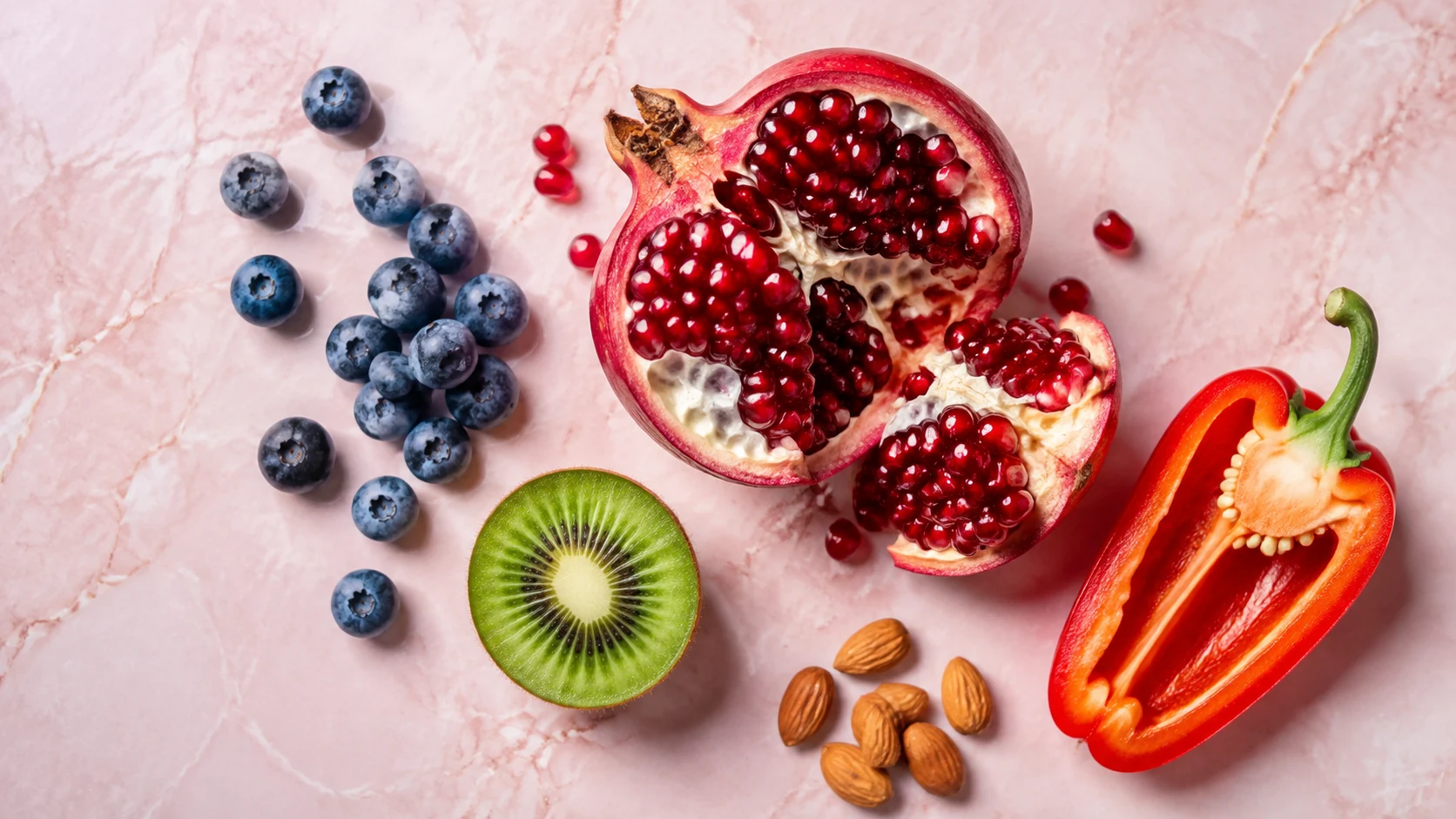
| Botanical blend | Acai, moringa, turmeric, pomegranate, kale, blueberry | Varied sources of naturally occurring compounds |
This outline shows how the product is structured; it does not add the properties of each substance into a guaranteed overall result.
NMN and cellular metabolism
NMN, or nicotinamide mononucleotide, is connected to pathways that produce NAD+, a molecule involved in many cellular energy-transfer reactions. NMN and NAD+ are not the same thing, and “energy” here describes biochemistry rather than an immediate subjective feeling of alertness.
The pathway and limitations of the research are discussed in more detail in “NMN: What It Is and How It Differs from NAD+”. For SunRise, findings from studies of NMN alone should not be applied to the entire blend of 15 ingredients.
Lutein and zeaxanthin as a carotenoid pair
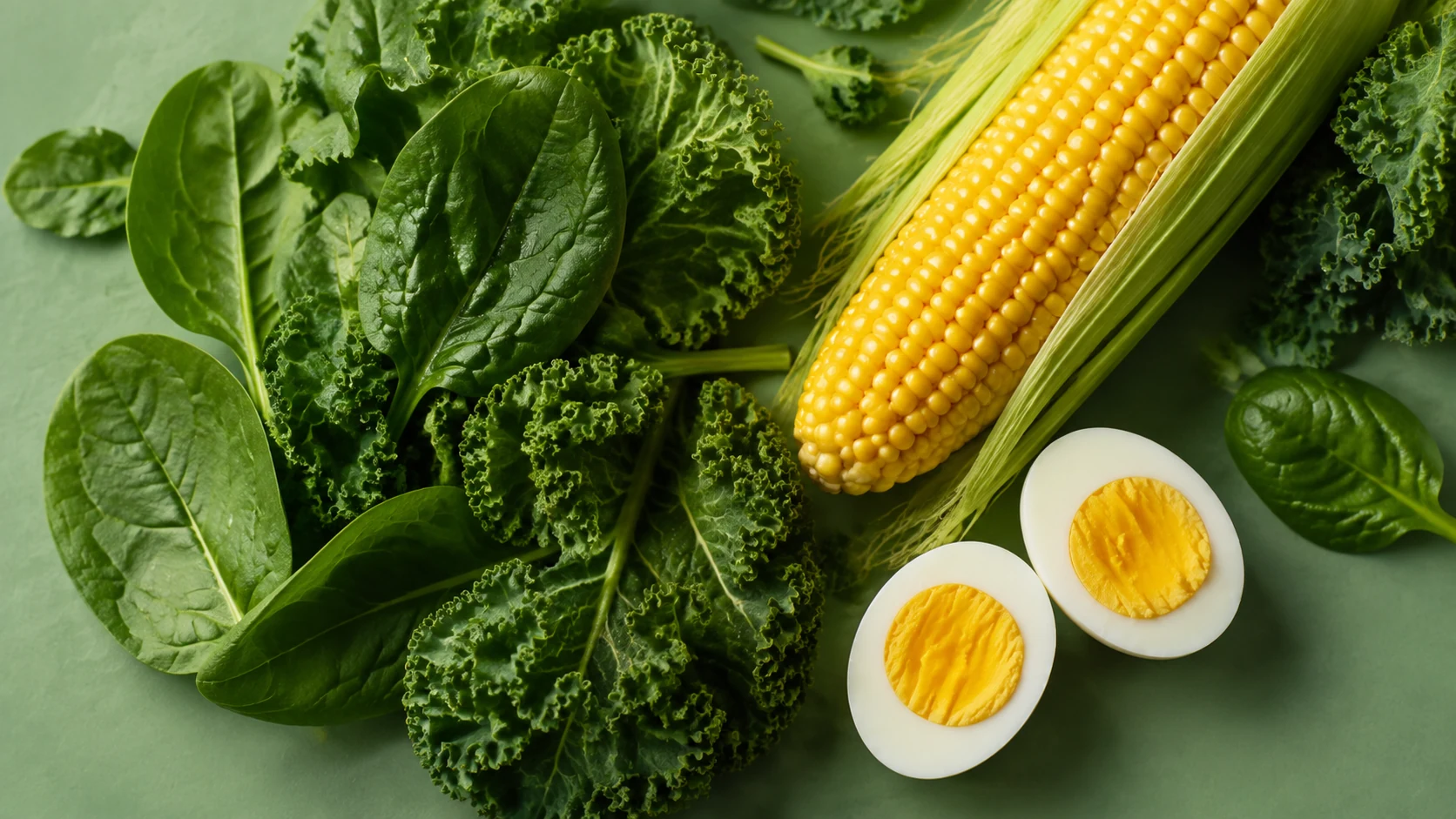
Lutein and zeaxanthin are carotenoids that people get from food. They accumulate in the macular region of the retina and are often studied together, but they remain two different compounds. SunRise uses the Lute-gen and Zea-gen ingredients.
“Lutein and Zeaxanthin: What They Are and Which Foods Contain Them” explains which foods contain these pigments and why they are discussed in connection with vision. The formula does not replace a varied diet or an eye exam when vision changes.
Spermidine from wheat germ
Spermidine is a polyamine, a small compound found in the cells of living organisms. It occurs in food, and SunRise lists wheat germ extract as its source. This tells you where the ingredient comes from, but not its individual amount per sachet.
Learn more about dietary sources and the scientific interest in spermidine in “Spermidine: What It Is and Which Foods Contain It”. Observational data about diets and studies of individual products cannot automatically be treated as proof of a SunRise effect.
Botanical ingredients and antioxidants
Acai, moringa, turmeric, pomegranate, kale, and blueberry add different plant compounds to the formula. Phycocyanin and AFA expand the pigment component, while Irish sea moss is a marine ingredient. “Antioxidant” describes a substance’s ability to take part in oxidation-reduction processes; it does not make any product universal protection against disease.
“Antioxidants: What They Are and Which Foods Contain Them” covers the basics and examples of everyday foods. A supplement complements a diet; it does not make vegetables, berries, and greens optional.
What plant cell technologies add
PhytoCellTec Malus Domestica and PhytoCellTec Vitis Vinifera are ingredients associated with apple and grapevine cell cultures. They should be distinguished from whole apples, grapes, or juice: the technology, raw-material form, and place in the blend are different.
In SunRise, these ingredients form a distinct technology-focused part alongside NMN, but their presence together does not prove a shared mechanism or predict an outcome for skin or well-being. It is best to consider the formula as a whole while keeping ingredient descriptions separate from clinical conclusions.
How to fit SunRise into your morning
The pack contains 15 sachets of 2,000 mg. Take one sachet of SunRise in the morning on an empty stomach: the powder can be taken directly or mixed with a small amount of room-temperature water. A consistent cue may help—for example, keep the sachet next to your water glass and take it before breakfast.
Do not exceed the recommended daily serving, and check other supplements for overlapping ingredients. If you are pregnant or breastfeeding, have a chronic condition or wheat allergy, or take medication regularly, discuss your choice with a healthcare professional. SunRise is not a medicine; it is a multi-ingredient part of a morning routine whose components are easier to understand when each has its own place.