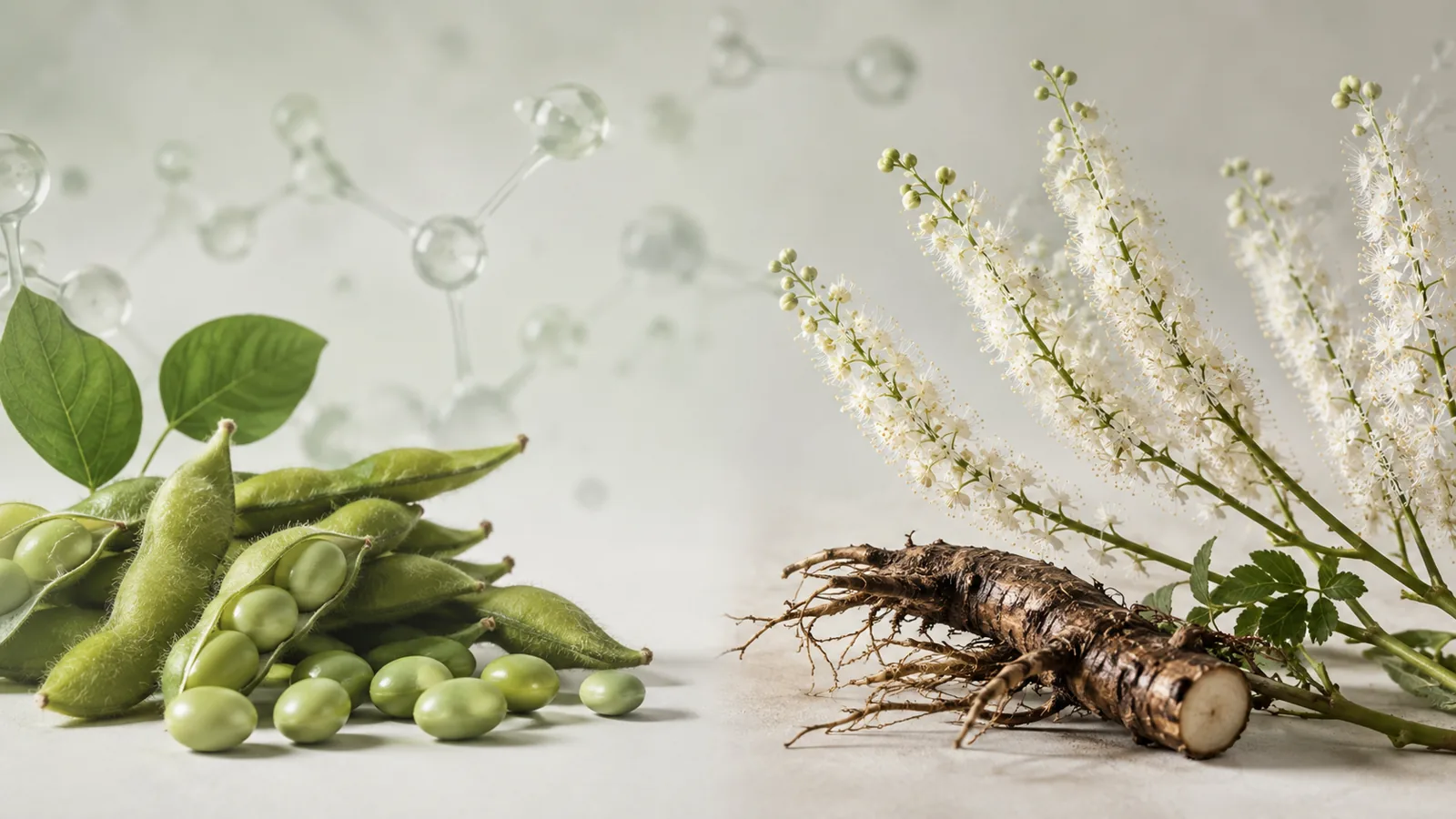



Spermidine is a substance in the polyamine group found in living cells and foods. Dietary sources include wheat germ, soy products, mushrooms, and some legumes. It is studied in connection with cellular processes and age-related changes, but the presence of spermidine in a product does not prove an anti-aging effect.
Which foods contain spermidine?
A 2021 study of food composition published in Foods found high polyamine levels in wheat germ. Spermidine was the predominant polyamine in a number of plant foods, including mushrooms, peas, beans, and tempeh, a product made from fermented soybeans. The study of dietary polyamine sources.
| Food | How to include it in meals |
|---|---|
| Food-grade wheat germ | Add to porridge or yogurt, following the package directions |
| Green peas and beans | Use in a side dish, soup, or vegetable stew |
| Mushrooms | Cook with grains or vegetables, or add to soup |
| Tempeh | Serve with rice and vegetables, prepared according to the manufacturer’s directions |
Common soybeans and mushrooms also stood out for their polyamine content in an earlier food analysis. However, different soy products cannot be assumed to have the same composition; processing affects it. A laboratory study of conventional and fermented foods.
Choose foods that fit your habits. If tempeh is unfamiliar, there is no need to build meals around it: peas, mushrooms, and other accessible foods can also add variety to your diet.
Which foods have the most spermidine?
A universal ranking with fixed numbers would be misleading. Levels depend on the sample, storage, processing, and preparation. Some tables report spermidine alone, while others show the total amount of several polyamines.
Units also differ. A value per kilogram of dry raw material cannot be compared directly with a value per 100 g of a prepared dish. A high level in a dry ingredient does not mean an ordinary serving provides more than a serving of another food.
The Foods study also examined food preparation. In some samples, boiling and grilling reduced polyamine levels. This is not a reason to avoid cooking: the finding concerns measured composition, and food should be prepared in a way that is appropriate for it. Study data.
Why spermidine is linked to cellular renewal
Interest in spermidine is largely linked to autophagy, the process by which a cell breaks down and recycles some of its own components. This is one of the mechanisms that help maintain cell function. Spermidine has been studied in relation to this process in laboratory and experimental research. Rationale for a human study of spermidine.
A cellular mechanism does not by itself provide a practical recommendation for supplements. Questions remain between a laboratory finding and a noticeable benefit for people, including the dose, duration, and outcome being measured.
For example, a 2022 study included 100 older adults who perceived a decline in their memory. Over 12 months, a spermidine supplement did not produce a statistically significant advantage over placebo on the primary memory measure. The study does not support claims that any product containing this ingredient improves memory. Results of the study in JAMA Network Open.
Spermidine from wheat germ
Wheat germ is one dietary source of spermidine. Extracts from wheat germ are used to add this ingredient to ready-made formulas, making plant material part of a small daily serving.
If you need to avoid wheat or gluten, check the product label before use. If you have a wheat allergy, discuss your choice with a healthcare professional.
Spermidine in SunRise: a convenient daily format
SunRise by YES Global contains spermidine from wheat germ extract. In the formula, it is combined with NMN, lutein, zeaxanthin, and plant-based ingredients. This is a convenient way to include several ingredients in one serving.
One pack contains 15 sachets of 2 g each. A serving is easy to take to work or on a trip; at one sachet a day, the pack lasts 15 days. Follow the product directions. Learn more about SunRise.
Research interest in spermidine relates to cellular renewal. Another SunRise ingredient, NMN, is studied as a precursor to NAD+, which is needed for energy metabolism. Read more in “NMN: What It Is and How It Differs from NAD+”.