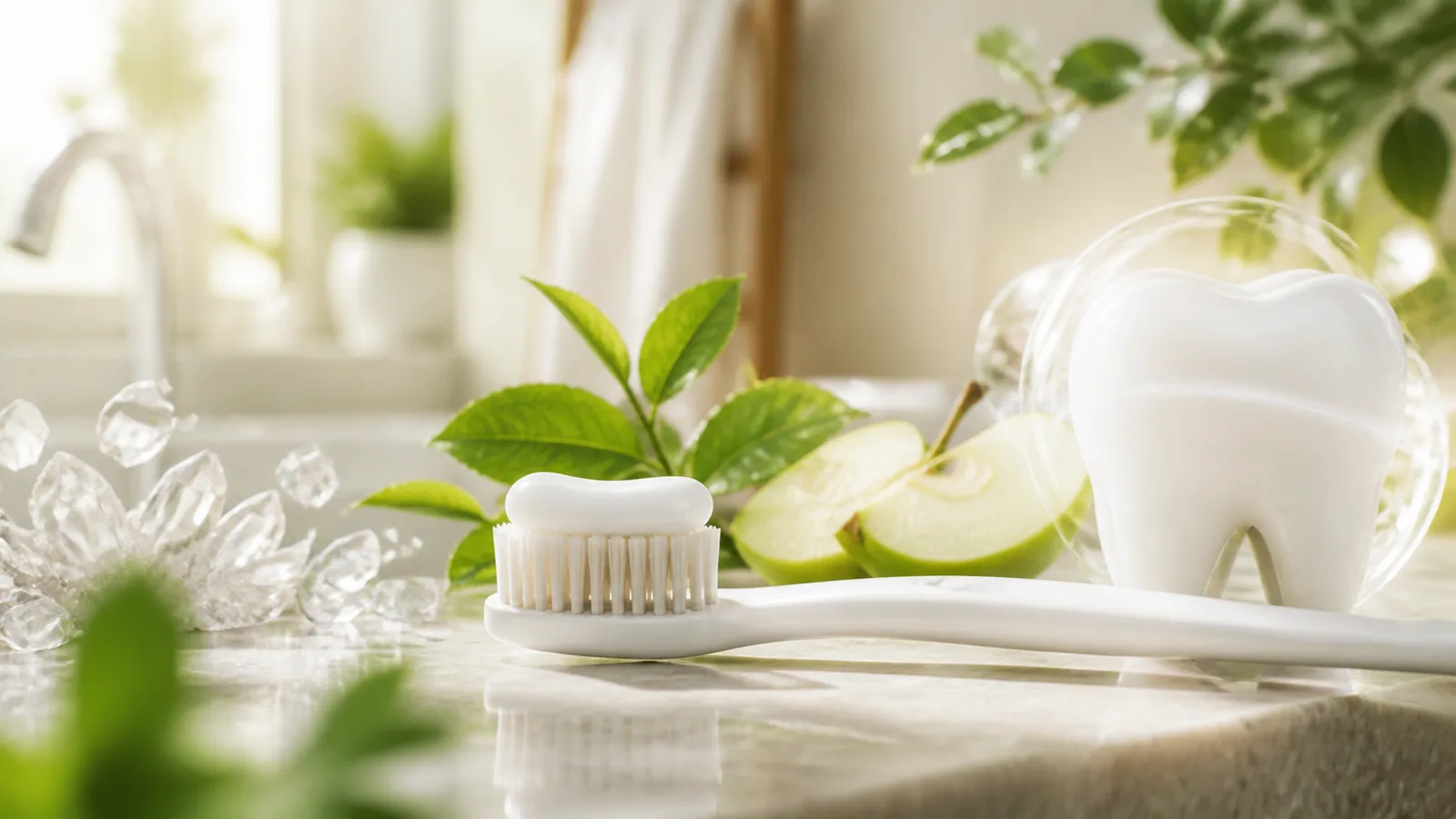


ProBio D is a YES Global toothpaste with mineral cleansing ingredients, plant extracts, and plantaricin A. It is intended for everyday oral hygiene. The formula is free from SLS, parabens, and fluoride. The absence of SLS may matter if your oral mucosa is sensitive to this ingredient; the absence of fluoride is a factor to consider when choosing cavity protection.
What is in ProBio D?
Sodium bicarbonate and calcium carbonate are part of the cleansing formula. Calcium carbonate is an abrasive ingredient; during brushing, such substances help remove surface debris and stained plaque. This is different from chemical whitening. Removing surface stains can make teeth look lighter, but it does not change their natural internal color.
The plant-based part of the toothpaste includes green tea, apple, and Bletilla striata extracts. Stevia extract is used as a sweetener to make the toothpaste taste more pleasant.
The formula also contains potassium chloride. Potassium compounds are used in products for sensitive teeth. However, the presence of this ingredient alone does not show how well a particular toothpaste reduces sensitivity; that requires testing the finished formula.
What is plantaricin A?
Plantaricin A is a peptide—a short chain of amino acids—produced by certain strains of the bacterium Lactobacillus plantarum. A laboratory study of plantaricin A found antimicrobial activity against certain bacterial strains.
Plantaricin A is a substance produced by bacteria, not a live bacterial culture. Its presence in toothpaste does not mean that brushing seeds the mouth with probiotic bacteria. Findings on an isolated peptide also cannot be applied to the finished toothpaste or taken as proof that it restores the oral microbiome or treats gum disease.
What does “SLS-free” mean?
SLS, or sodium lauryl sulfate, is a cleansing and foaming ingredient in toothpastes. It can irritate the oral mucosa in some people. If you have this reaction, an SLS-free toothpaste removes one possible irritant. There is no need to consider this ingredient harmful to everyone.
ProBio D does not contain SLS, but that does not guarantee that the toothpaste will suit everyone. Individual reactions to other ingredients are possible. If brushing causes burning, soreness, or peeling of the oral mucosa, stop using the toothpaste.
What to consider before switching to ProBio D
ProBio D does not contain fluoride. Fluoride helps strengthen enamel and prevent cavities. The American Dental Association recommends brushing with fluoride toothpaste twice a day. Before switching to ProBio D as your only everyday toothpaste, discuss with a dentist how to maintain cavity protection, especially if you regularly develop new cavities.
If your teeth are sensitive, first find out why. Pain from cold or hot foods can be related to exposed roots, enamel wear, tooth decay, a cracked tooth, or a damaged filling. In these cases, changing toothpaste does not replace an examination and treatment.
How to use ProBio D
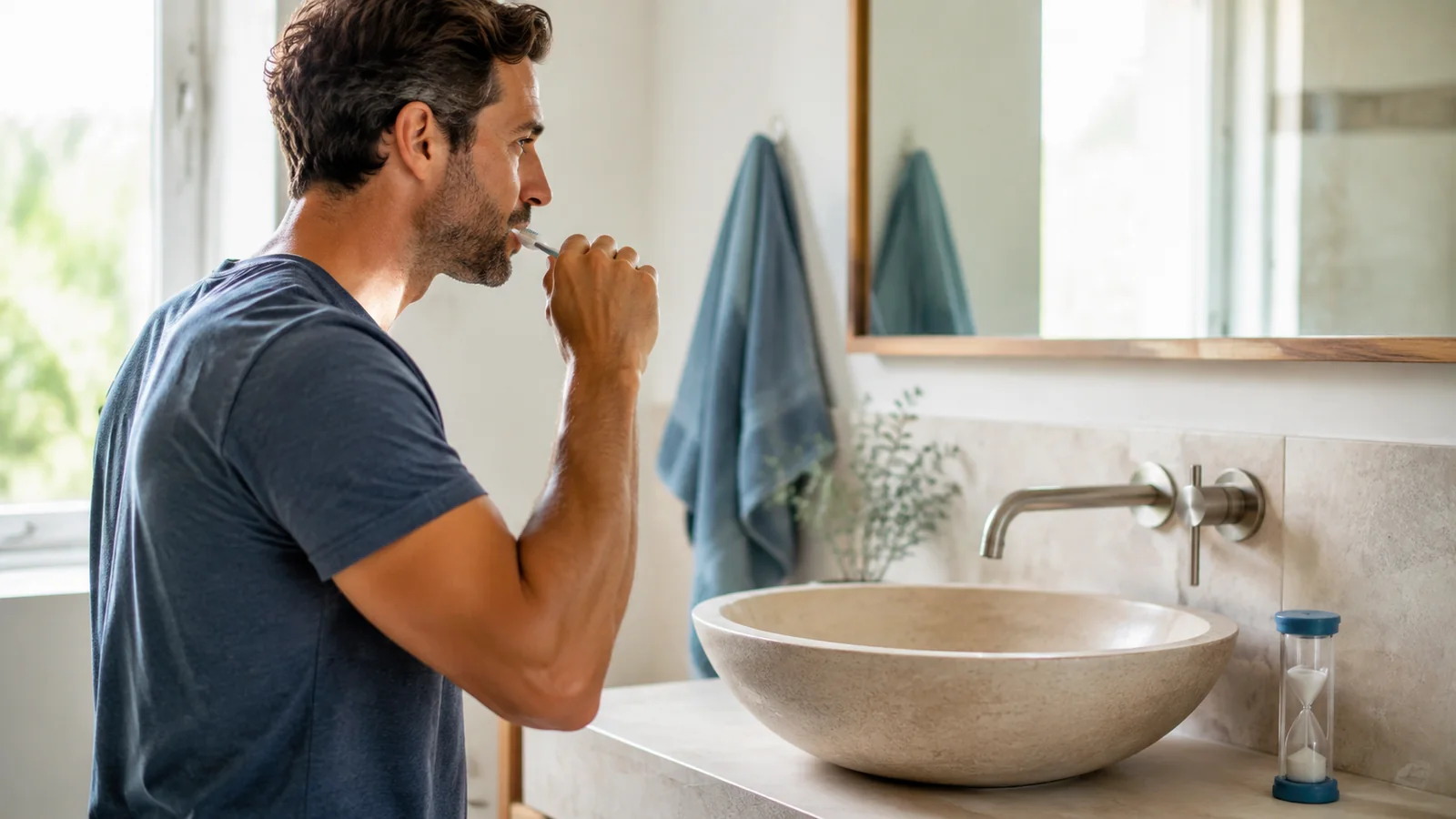
Use the toothpaste morning and evening with a soft-bristled toothbrush. Spend at least two minutes on each brushing:
- Apply a small amount of toothpaste to the brush.
- Divide your teeth into four sections: upper right, upper left, lower right, and lower left. Spend about 30 seconds on each.
- Brush the outer, inner, and chewing surfaces in sequence without pressing too hard.
- Spit out any toothpaste left after brushing. Do not swallow it.
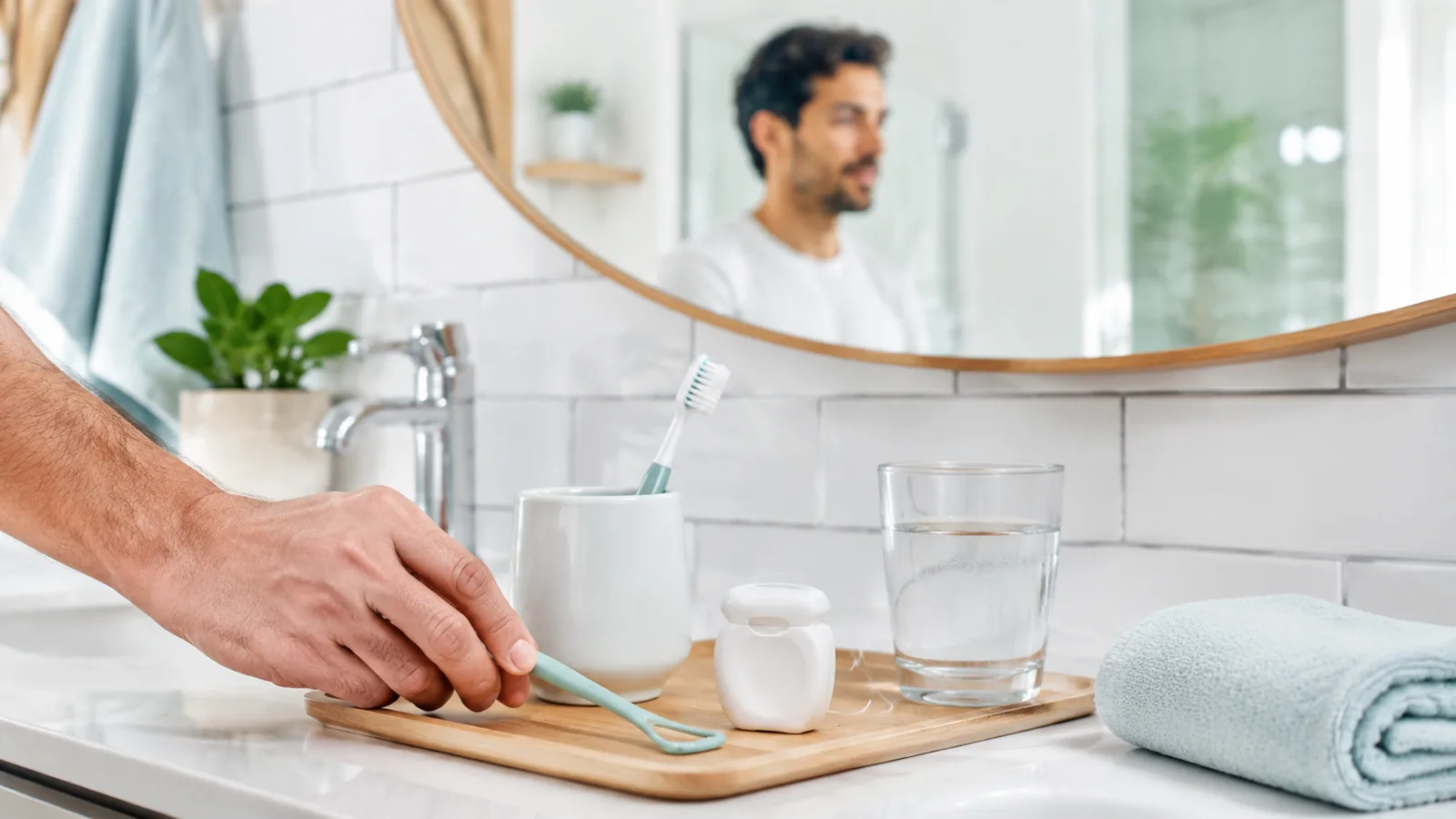
Clean between your teeth every day with floss or interdental brushes of a suitable size. A regular toothbrush does not replace this step in oral care.
Before using the toothpaste for the first time, check the full ingredient list and directions on the package. Do not replace a toothpaste prescribed by your dentist on your own. If your gums bleed, you have pain, or tooth sensitivity persists, schedule a dental examination.